In this article
Quick answer: The main wedding dress silhouettes are the ball gown (fitted bodice, full skirt), A-line (fitted at the waist, gently flared), mermaid or trumpet (fitted to the knee, then flared), sheath (straight and close to the body) and short or tea-length dresses. A-line suits almost every figure; ball gowns suit formal venues; sheath and short dresses suit beach, city and casual weddings. Start shopping six to nine months before the wedding to leave time for alterations.
Over more than a decade we have featured hundreds of bridal collections, from Zuhair Murad and Elie Saab couture to Pronovias, Berta and Rosa Clara. This guide distills what all those collections have in common: the shapes, necklines and fabrics that make a dress, and how to choose the one that suits you, your venue and your budget.
Wedding dress silhouettes
Ball gown and princess

A fitted bodice with a full skirt, often supported by tulle layers or a petticoat. It is the most traditional and dramatic shape, perfect for cathedrals, ballrooms and black-tie receptions. It hides the hips and creates a defined waist, but it is heavy, so choose a lighter tulle version for summer.
A-line
Fitted through the bodice and flaring gradually from the waist into an “A” shape. It is the most universally flattering silhouette and works for almost any venue, from a garden to a hotel ballroom.
Mermaid and trumpet

A mermaid dress is fitted to the knee and then flares dramatically; a trumpet starts its flare a little higher, at mid-thigh, which makes it easier to walk and dance in. Both show off curves. Try sitting, walking and climbing a step in the fitting room before you commit.
Sheath and column

A straight, narrow shape that follows the body without flaring. Sheath dresses in crepe or silk look modern and minimal; in lace or beading they feel romantic. They pack well, which makes them a favorite for destination weddings.
Short and tea-length

Knee-length, tea-length (mid-calf) and mini dresses are perfect for civil ceremonies, vintage-themed weddings and as a second outfit for the party. They also show off your shoes.
Jumpsuits and separates

A tailored white jumpsuit or a bridal top with a skirt or trousers is a modern alternative. Add a detachable overskirt or cape for the ceremony and remove it for the party.
Necklines, sleeves and backs
- Sweetheart: heart-shaped and romantic; good for fuller busts.
- V-neck: lengthens the neck and torso; very flattering on most figures.
- Off-the-shoulder and Bardot: shows the collarbones and shoulders.
- Bateau and high neck: elegant and modest; think classic Hollywood.
- Long lace sleeves: timeless, and warm for winter weddings.
- Illusion and lace backs: sheer tulle with lace appliqués gives the “wow” moment when you walk down the aisle.


Fabrics and details

- Lace: romantic and forgiving; Chantilly is fine and delicate, Alençon is corded and more structured.
- Tulle: light and airy, used for full skirts and sheer illusion details.
- Satin and mikado: structured with a soft sheen; ideal for clean, architectural gowns.
- Crepe: matte and fluid; the fabric of modern minimal dresses.
- Chiffon and organza: floaty and lightweight; best for beach and summer weddings.
White, ivory or color?

Bright white suits darker and olive skin tones; ivory and soft white flatter most complexions; champagne and blush tones warm up fair skin. Try the same dress in two shades if the boutique allows. Colored gowns, in blush, pale blue, gold or even black, are a growing choice for second weddings and non-traditional ceremonies.

Choosing a dress for your venue

- Church or ballroom: ball gowns, cathedral trains, long sleeves and veils.
- Beach or destination: chiffon, light lace, sheath or soft A-line, no long train.
- Garden or barn: boho lace, A-line, flutter sleeves; consider a shorter hem for grass.
- City hall or restaurant: short dresses, jumpsuits, sleek sheaths.
- Winter: long sleeves, heavier satin or mikado, and a faux-fur stole or bridal coat.
Maternity and plus-size brides

Pregnant brides are most comfortable in empire-waist dresses in soft stretch lace or chiffon; order close to the date or choose a lace-up back that adjusts. Plus-size brides often love A-line, V-necks and structured fabrics with built-in support. See our guide to plus-size wedding wear.
How to shop for your wedding dress

- Start six to nine months ahead. Made-to-order dresses take four to six months, plus two or three fittings.
- Set a budget that includes alterations, veil, shoes and undergarments (often 15–25% on top of the dress).
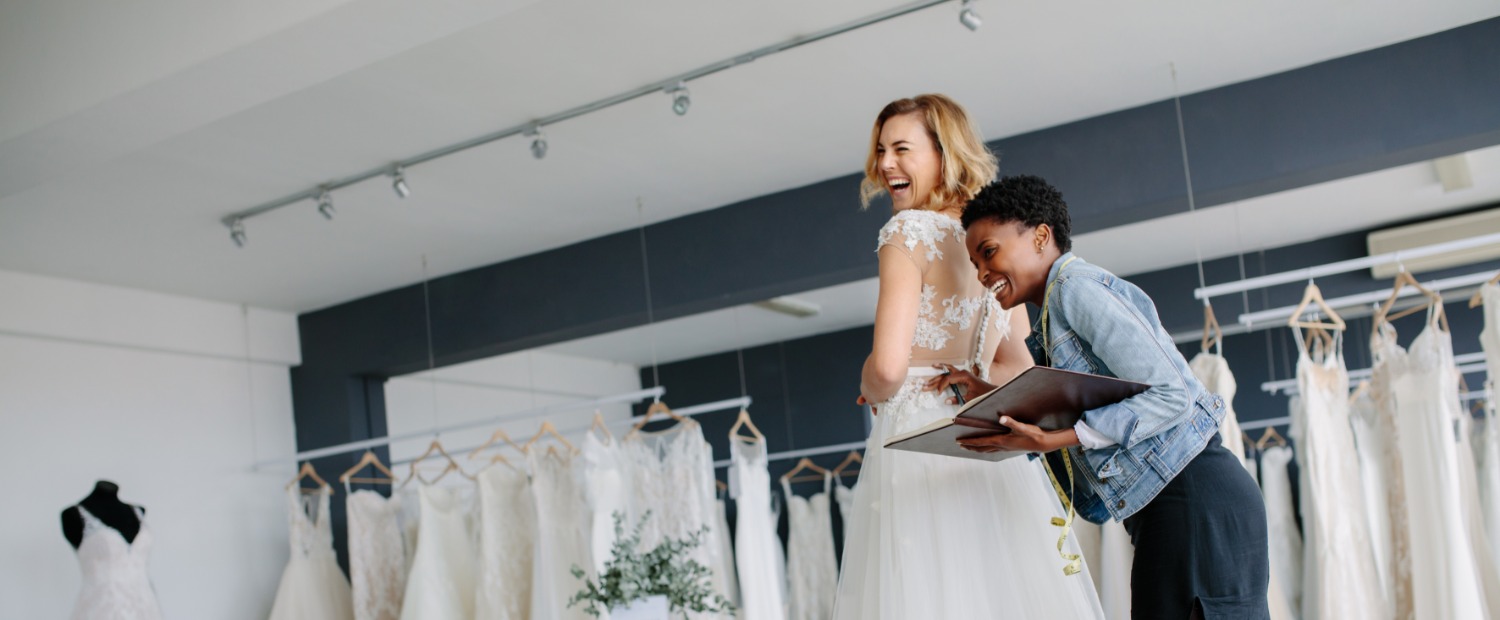
- Bring one or two people, not a crowd: too many opinions make it harder to decide.
- Try every silhouette at least once, even the ones you think won’t suit you.
- Move in the dress: sit, walk, raise your arms, and imagine dancing.
- Consider renting or buying pre-loved if you want a designer gown on a smaller budget.
Common mistakes: shopping too late, ordering a size down “to diet into”, ignoring the venue and season, and choosing a dress you can’t move in. Before your first appointment, read what to know before trying on wedding dresses and our guide to bridal undergarments.
Bridal designers to know

Some names have appeared in our collection posts year after year. Lebanese couturiers Zuhair Murad and Elie Saab are known for embroidery, sheer panels and red-carpet glamour. Spanish houses Pronovias and Rosa Clara range from minimalist to romantic, with wide availability. Israeli designers such as Berta and Galia Lahav made plunging necklines, illusion bodices and high slits a global trend. Whatever your budget, look at their collections for ideas, then find similar shapes at your local boutique.

After the wedding
Have your dress professionally cleaned and stored within a few weeks: see why dress preservation is worth it, or give it a second life with ideas to repurpose your wedding dress. Planning the rest of the look? Read how to create a timeless bridal look from head to toe.
FAQ
What wedding dress style is most flattering?
The A-line suits the widest range of figures because it defines the waist and skims the hips. A V-neck adds length to the torso and works with almost any silhouette.
How far in advance should I buy my wedding dress?
Six to nine months before the wedding. Made-to-order gowns take four to six months, and you need time for two or three alteration fittings.
What is the difference between a mermaid and a trumpet dress?
Both are fitted through the hips. A mermaid flares at or below the knee; a trumpet flares higher, around mid-thigh, so it is easier to move in.
Is it okay to wear a short wedding dress?
Yes. Short dresses are perfect for civil ceremonies, casual or vintage weddings, and as a second look for the reception.