
In this article
Baking soda (sodium bicarbonate) is one of the most popular kitchen ingredients for DIY skincare because it is cheap, slightly gritty and makes skin feel instantly smooth. It also has a real downside that many recipes online leave out. Below you will find what a baking soda mask can and cannot do, four gentler recipes, and the safest way to use one.
Is a baking soda face mask good for your skin?
Used occasionally, baking soda works as a mild physical exfoliant: its fine grains buff away dead skin cells, which can make oily skin look brighter and feel smoother for a day or two. That is the main benefit.
The problem is pH. Your skin’s surface is naturally acidic, and that acidity helps keep the skin barrier strong and keeps acne-causing bacteria in check. Baking soda is strongly alkaline, so frequent use can leave skin tight, dry, red or more breakout-prone. Dermatologists generally do not recommend it as a regular treatment. If you love the ritual, treat it as an occasional exfoliating mask rather than an everyday cleanser.
- Can help: occasional exfoliation of oily skin, a smoother feel, a quick brightening boost.
- Can hurt: dryness, irritation, a weakened skin barrier, and more breakouts if overused.
- Best for: oily, non-sensitive skin, once a week at most.
- Skip it if: your skin is dry, sensitive, or prone to eczema, rosacea or dermatitis, or you already use retinoids or acids.
4 baking soda face mask recipes
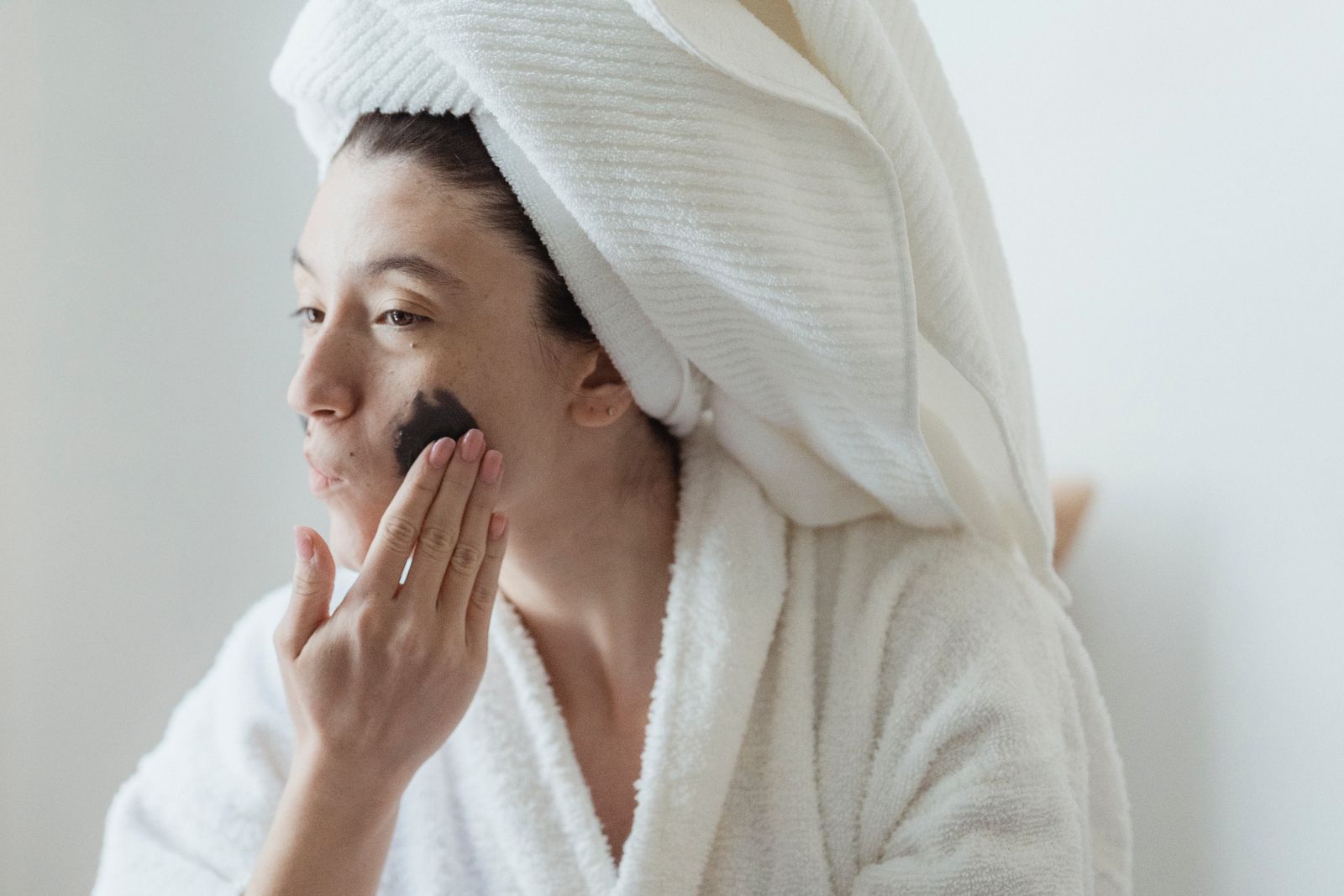
1. Simple baking soda and water mask
Mix 1 teaspoon of baking soda with 1 to 2 teaspoons of lukewarm water until you get a soft, spreadable paste. Apply it to clean, damp skin, avoiding the eye area, and massage in small circles for 30 to 60 seconds. Rinse with lukewarm water and pat dry. Do not leave it on for 10 to 15 minutes, as many older recipes suggest; a short contact time is much kinder to your skin.
2. Baking soda and oatmeal mask for dull skin
Blend 2 tablespoons of rolled oats into a fine powder, then mix in 1/2 teaspoon of baking soda and enough water or plain milk to form a paste. Oatmeal soothes the skin and softens the effect of the baking soda, so this is the gentlest option. Massage it in for a minute, leave it on for up to 5 minutes, then rinse.
3. Baking soda and honey mask for oily skin
Mix 1/2 teaspoon of baking soda with 1 tablespoon of raw honey. Honey is naturally moisturizing and mildly antibacterial, which balances the drying effect of the baking soda. Spread a thin layer over the T-zone, leave it for 5 minutes, then rinse with lukewarm water using gentle circular motions.
4. Baking soda spot treatment
For a single blemish, dab a tiny amount of baking soda and water paste only on the spot, leave it for no more than 5 minutes and rinse. Do not use it on open or picked spots. For ongoing acne, proven ingredients such as salicylic acid or benzoyl peroxide work better and are formulated for skin.
Why we no longer recommend baking soda and lemon
Baking soda and lemon juice is one of the most shared DIY face masks, but it combines a strongly alkaline ingredient with a strongly acidic one, and lemon juice can make skin sensitive to sunlight and cause dark patches or burns. If you want brightening, try one of our gentler skin brightening homemade remedies or a vitamin C serum instead.
How to use a baking soda mask safely
- Patch test first: apply a little paste behind your ear or on your inner arm and wait 24 hours.
- Use it once a week at most, and never on the same day as retinol, AHA or BHA products.
- Keep it short: 1 to 5 minutes is enough.
- Be gentle: massage lightly; do not scrub hard.
- Moisturize right after to support your skin barrier, and wear sunscreen the next day.
- Stop immediately if you feel burning, stinging or see redness.
Looking for other kitchen ingredients? Try an egg white face mask, these strawberry face masks, or browse our DIY natural solutions for beauty problems.
FAQ
Is baking soda good for your face?
Only in small doses. It can exfoliate oily skin occasionally, but its high pH can disturb the skin’s natural acidity and barrier, so it is not a good everyday cleanser.
How often can I use a baking soda face mask?
No more than once a week, and less often if your skin feels tight or dry afterwards. Sensitive and dry skin types should avoid it.
Does a baking soda mask help with acne?
It may dry out a single spot, but it does not treat the causes of acne and can make breakouts worse by irritating the skin. Salicylic acid or benzoyl peroxide are better-proven options; see a dermatologist for persistent acne.
How long should I leave a baking soda mask on?
Between 1 and 5 minutes. Longer contact increases the risk of irritation without adding any benefit.
Can I mix baking soda with my cleanser?
You can add a pinch to a gentle cleanser for an occasional exfoliating wash, but do not make it a daily habit.
This article is for general information and is not medical advice. If you have a skin condition, check with a dermatologist before trying DIY treatments.